France's Intergenerational Divide on Climate Change
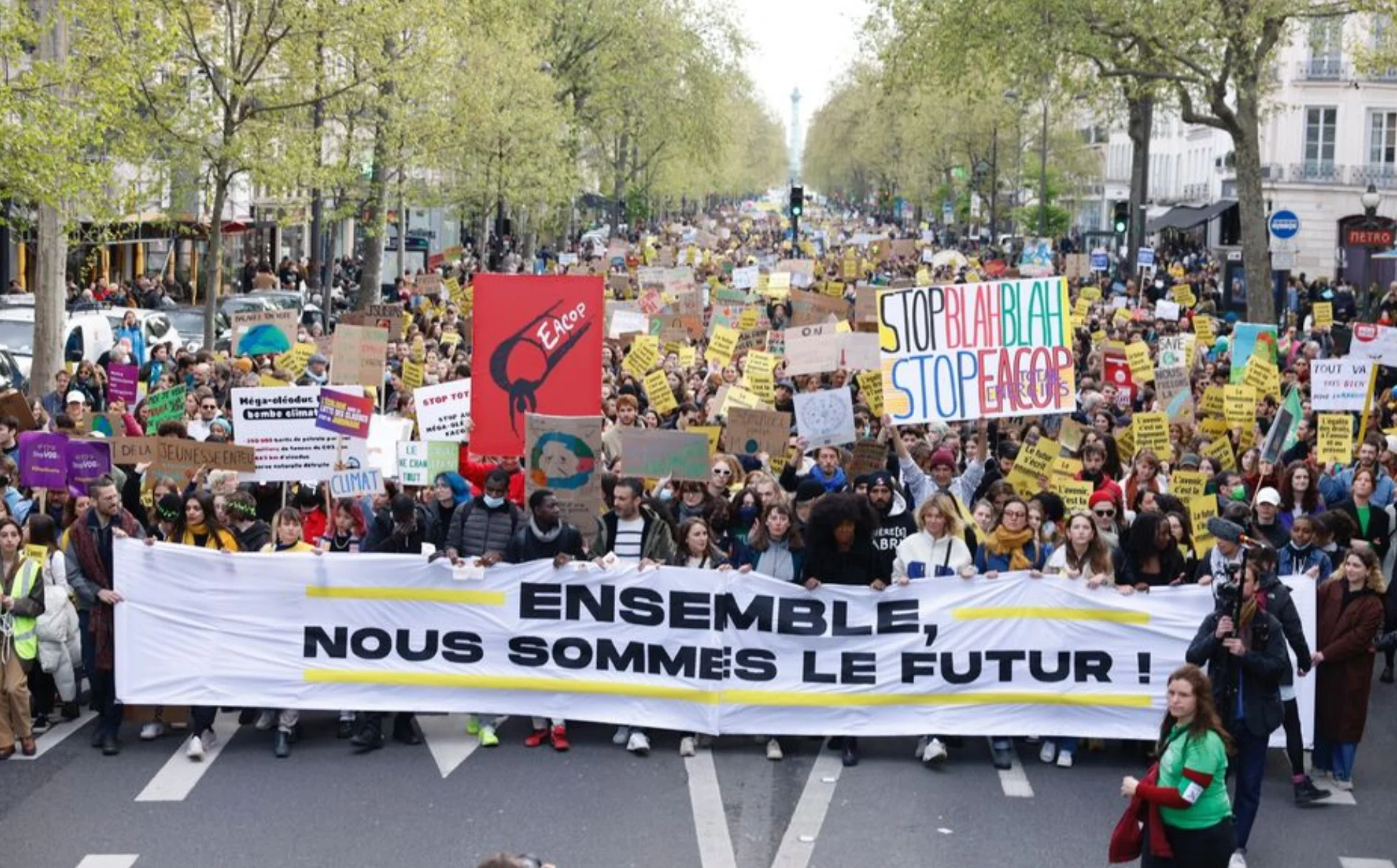
Climate change affects environment and people. Paradoxically, the ones who bear the brunt of energy-intensive human activities are people with practically no responsibility, including the young.
The effects of global warming are already affecting every region of the world. France is facing unusual heat waves, floods, and water shortages. This phenomenon is becoming the central preoccupation of French people, 85% of them worried about the effects of climate change (Parlons Climat, 2022).
Nevertheless, there seems to be a generational conflict about climate change in France as the concerns and expectations are different among younger and older populations.
Young people appear more conscious of the challenges posed by climate change than seniors. Indeed, people aged over 65 are the most "skeptical" about global warming: 14%, compared to 3% among 18–24 (ADEME, 2022).
Step back in time
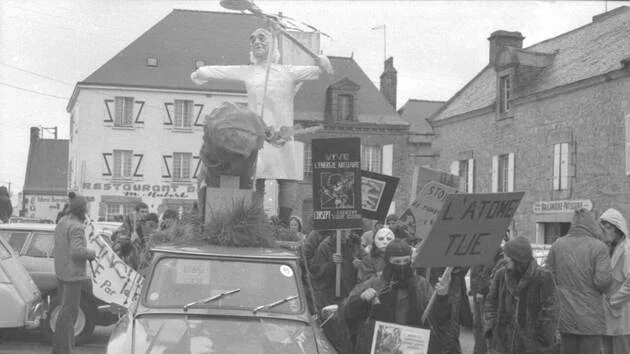
March 1975 (Archives Ouest France)
The 1950s generation, known as the baby boomers, is blamed for their lack of concern for climate change. After the horrors of the Second World War, which ravaged the country's economy, France's standard of living rose, allowing for mass consumption. During this period, called "The Glorious Thirties", production processes were extremely energy-intensive and economic growth concealed disastrous environmental consequences. Bonneuil, historian of science and environment, even suggests renaming them "The Devastating Thirties" in his book Une Autre Histoire des Trentes Glorieuses (2013).
However, in the mid-1970s, there was an environmental turn in France, during which "Le Mouvement Ecologique", the first green political party, was established. Several protests took place, including the Erdeven nuclear power demonstration (1975) and the one against the Superphénix project (1976).
A preoccupied generation
Generation Z comprises a population born in the 1990s and includes both teenagers and young workers.
This generation suffers the negative repercussions of their elders' actions, leading them to fear their own future and develop "eco-anxiety" — a term coined in the 1990s to express the fear of climate change and anxiety over environmental crises. With 58% of French people aged 16 to 25 reporting eco-anxiety (The Lancet Planetary Health, 2021), Generation Z is more affected than the baby boomers.
The main difference between the two generations is the education they received. Unlike the baby boomers, Generation Z has been immersed in the issue of climate change from an early age.
I still recall my elementary school teacher telling us to always remember to turn off the lights when leaving a room, otherwise it would kill the polar bears.
Through school, television, and the media, the youth have been exposed to the environmental cause since their childhoods. This explains why they seem more committed to the urgency of acting for our planet.
"We are the first generation to experience the consequences of global warming and the last one who can do something about it"
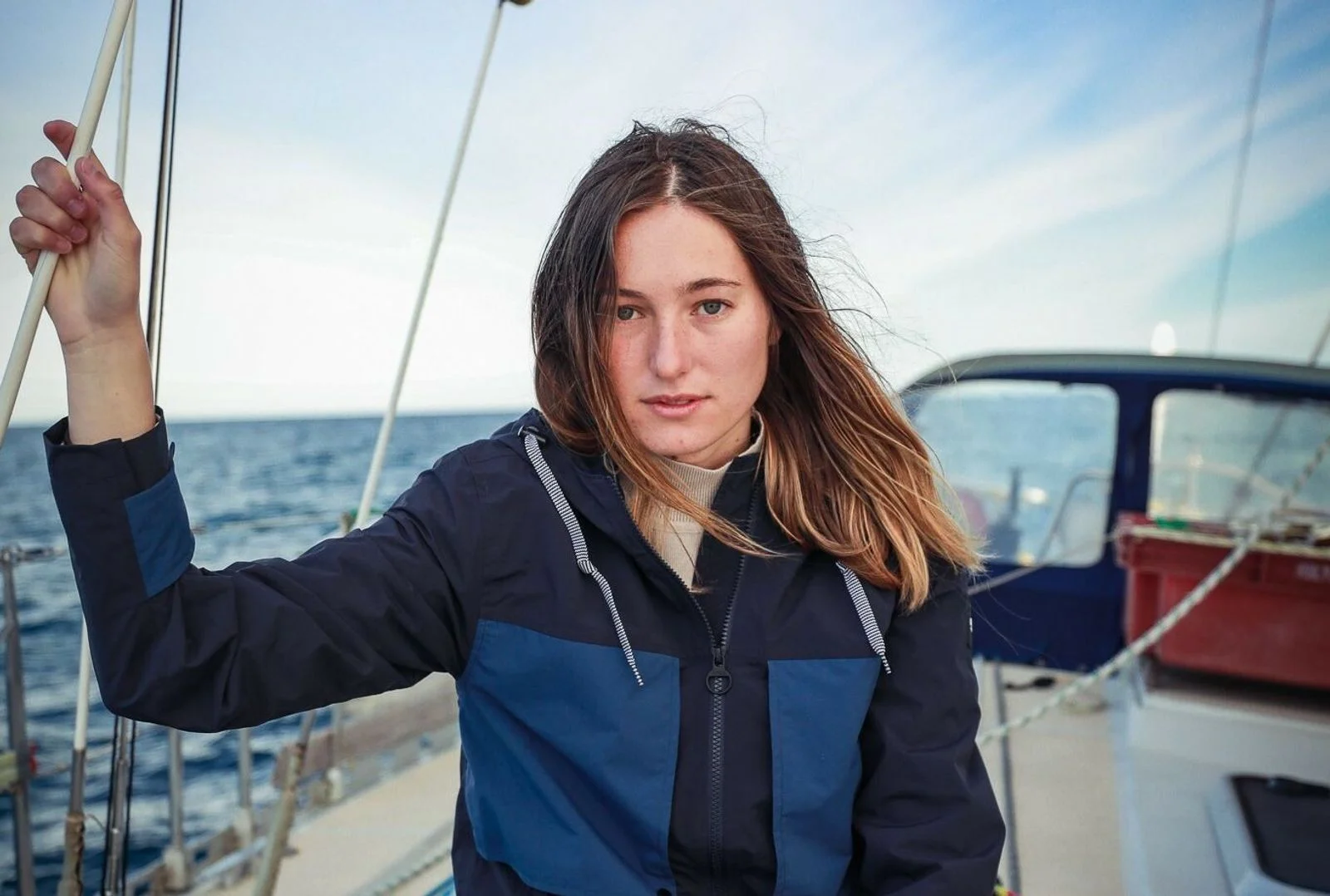
Translated from French
Generation Z have figures they can identify with, far from the usual politicians who are tough to relate to. Worldwide, Greta Thunberg, a teenage environmental activist, was the catalyst for the mobilization of thousands of people in response to the climate issue, launching the Fridays for Future movement in 2018. The Instagram profile @youthforclimate.fr has 30,000 followers. Mostly used by young people, social media is an excellent communication tool for spreading information and bringing people together.
Environmental activist Camille Etienne, 24, is also well-known and influential in France. For her, "We are the first generation to experience the consequences of global warming and the last one who can do something about it." People under the age of 25 are establishing themselves as THE generation placing climate change at the heart of their concerns.
Baby-boomers are also victims
We can't deny that previous generations behaved inappropriately towards the environment, but not all baby boomers are responsible for the destructive process, and they will also be affected by the consequences of global warming. Their advanced age makes them particularly vulnerable to the heat waves that occur every summer in France. The summer of 2022 was marked by three periods of heatwaves that caused more than 2,500 deaths nationwide (Santé Publique France). This type of event can only encourage all French citizens and their government to implement a climate change adaptation and mitigation strategy.
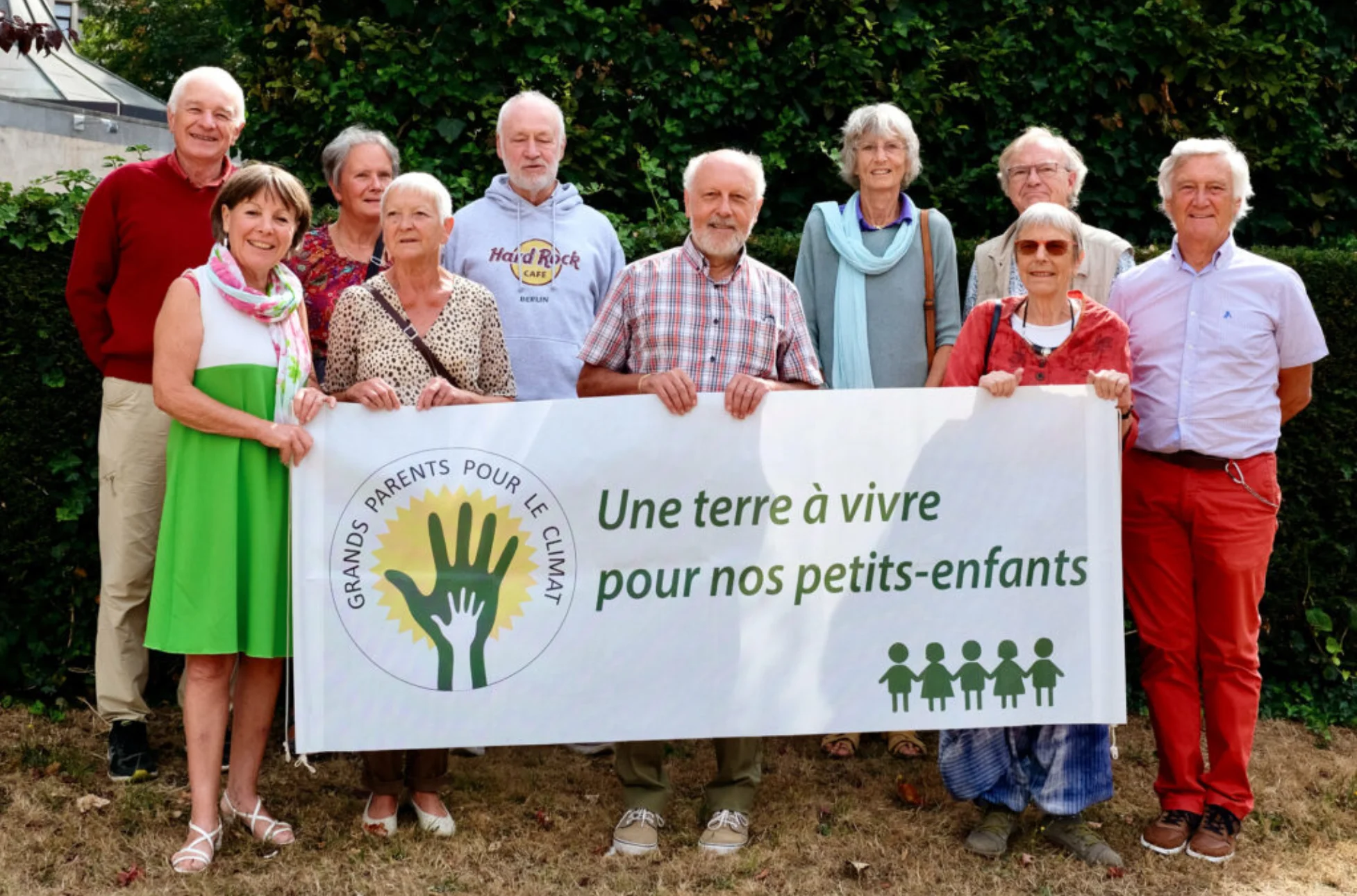
Climate collectives organized by retirees who want to guarantee good living conditions for their grandchildren have multiplied in France. Created in 2015, Grandparents for Climate invites the over-50s generation to reconsider their lifestyle, built on the model of the "Glorious Thirties". Although baby boomers are more skeptical about the anthropogenic causes of climate change, they seem to be more attentive in their daily actions. French seniors are 41% to purchase local or seasonal products, compared to 29% for young people (La Croix, 2019).
An individual's engagement in climate change is not defined by generational affiliation
Even while Generation Z and baby-boomers in France don't mobilize in the same way, they both express worry about the ecological crisis. We shouldn't categorize the commitment of French citizens' interest in climate change by their age.
There are other factors more relevant than age that divide the French when it comes to ecology.
The financial factor might hold back the French from changing their habits in favor of the planet. Indeed, 70% of French people say they don't have the financial capacity to act at their own level (Parlons Climat, 2022). Undoubtedly, keeping our existing lifestyle requires a smaller budget than consuming organic food and wearing Made in France clothing. However, there are simple ways to be eco-friendly, such as reducing food waste, cycling instead of driving, and shopping second-hand.
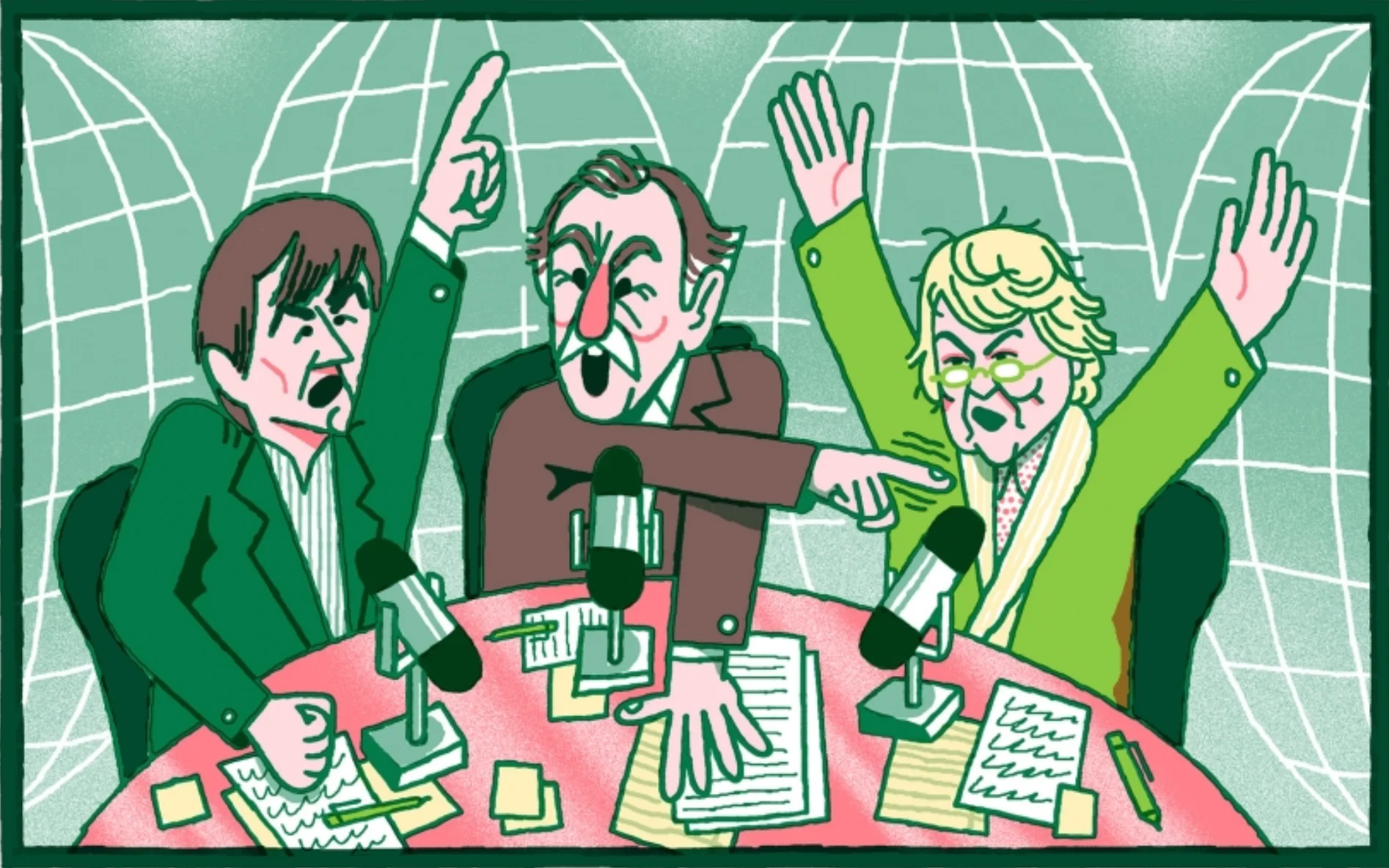
Illustration: Vinnie Neuberg
The factor which has the greatest influence on climate-related opinions and behavior in France isn't age but political partisanship (Parlons Climat, 2022). France is divided between right-wing representatives for whom the environment is not their main issue and left-wing representatives who make it their priority.
In fact, 46% of French left-wing voters list climate change among their top three priorities for France, compared to 21% of right-wing voters, or roughly half as many.
The generational divide in terms of climate change in France is nothing more than a preconceived idea. Although baby-boomers and their offspring in France may not approach environmental action in the same way, both are worried about the dangers of climate change. The rift is more political than generational.
To preserve our environment, we must unite all French people, regardless of their ages or political views, and encourage them to act at their own level.
References
ADEME (2022, October 21). Représentations sociales du changement climatique : 23ème vague du baromètre. librairie.ademe.fr
Association Grands Parents pour le Climat. (n.d.). Grands-Parents Pour Le Climat France. grandsparentsclimatfrance.fr
European Investment Bank (2021, October 27). Climate crisis: Generational and political divides in France. eib.org
Hickman, C., & Marks, E. (2021, December 1). Climate anxiety in children and young people and their beliefs about government responses to climate change: A global survey. The Lancet Planetary Health. thelancet.com
Interview with Bonneuil, C. (2013, December 26). Les Trentes Glorieuses étaient désastreuses. Reporterre. reporterre.net
Kokabi, A. R. K., & Massemin, É. (2019, December 17). Jeunes et vieux : La guerre des générations n'aura pas lieu. Reporterre. reporterre.net
Parlonsclimat.org (2022, June 1). Environnement et crise climatique : L'opinion des Français au-delà des clichés. parlonsclimat.org
Pessis, C., Topçu, S., & Bonneuil, C. (2013). Une autre histoire des Trente Glorieuses. La découverte.
Santé Publique France (2022, November 22). Bilan canicule et santé : Un été marqué par des phénomènes climatiques multiples et un impact sanitaire important. santepubliquefrance.fr
Schoen, D. (2020, January 13). Les seniors, champions de l'écologie. La Croix. la-croix.com